If your radiator is not heating up properly, it is more than just an annoyance. Cold spots, lukewarm panels or one stubbornly cold radiator can all point to different issues in your heating system. The good news is that many problems have clear symptoms, and there are safe checks you can do before calling a heating engineer.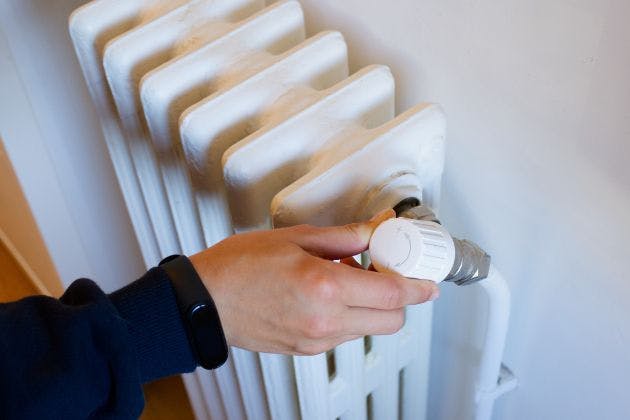
Quick decision guide: What does your radiator feel like?
Before you start, turn the heating on and give it 15 to 20 minutes, then carefully feel each radiator from top to bottom. This simple check tells you a lot about what is going on.
Warm at the bottom, cold at the top: usually trapped air
Hot at the top, cold at the bottom: often sludge or debris
One radiator is totally cold: common issue with valves or a stuck TRV pin
Several radiators are cool: system imbalance or circulation problem
Radiators hot, rooms still cold: sizing, insulation or controls
Use the sections below as a checklist based on the symptom that best matches your radiator.
Warm at the bottom, cold at the top: air in the radiator
Trapped air sits at the top of a radiator and stops hot water from circulating properly. The result is a warm or hot bottom section while the top remains noticeably cooler.
Safe checks you can try: If you feel confident, you can bleed the radiator using a radiator key and a cloth. Turn the heating off, open the bleed valve slightly until air hisses out, then close it as soon as water starts to appear. Afterwards, check your boiler pressure if you have a sealed system.
When to call an engineer: If you are bleeding radiators frequently, or the boiler pressure keeps dropping, there might be a bigger issue, such as a leak or expansion vessel problem. Any work involving the boiler itself must be carried out by a Gas Safe registered engineer.
Hot at the top, cold at the bottom: sludge or debris
Cold areas at the bottom usually mean sludge, rust and scale have settled inside the radiator. This blocks the flow of hot water and can slowly damage your system if left untreated.
Safe checks you can try: Feel a few radiators. If several are hot at the top and cool or cold at the bottom, or you notice dark water when you bleed them, sludge is likely. You can also listen for gurgling or kettling noises from the system.
Engineer solutions: A heating engineer can carry out a system cleanse or power flush to remove sludge and fit magnetic filtration to help prevent it from building up again. They may also recommend inhibitor chemicals to protect the system going forward.
One radiator stone cold: TRV or valves
If all your other radiators are heating normally, one cold radiator often points to a localised problem, such as a stuck thermostatic radiator valve (TRV) or a closed lockshield valve.
Safe checks you can try: Make sure the TRV head is turned fully up. Gently check that both valves on either end of the radiator are open by turning them anticlockwise. Compare with a working radiator if you are unsure.
When an engineer is needed: If the TRV is open but the radiator is still cold, the internal pin may be stuck, or the valve could have failed. It is possible to free a TRV pin, but you can easily damage the valve or cause a leak. If you are at all unsure, it is safer to have an engineer deal with it and replace faulty valves.
Several radiators are cool: system imbalance or circulation
If some radiators get hot quickly while others stay lukewarm, your system may be out of balance. Hot water is reaching the closest radiators first and not flowing evenly around the rest of the property.
Safe checks you can try: Note which radiators heat up first and which struggle. Check that all valves are fully open, and that your room thermostat and programmer times are set correctly.
Engineer solutions: A heating engineer can check circulation pumps and carry out a proper balancing of the system using the lockshield valves to fine-tune the flow to each radiator. This helps every room warm up more evenly and can improve efficiency.
Radiators are hot, but the room still feels cold
If radiators feel hot to the touch but the room never really warms up, the issue may be outside the heating system itself. Undersized radiators, poor insulation or control problems are all possible.
Safe checks you can try: Check the temperature setting on your room thermostat and make sure it is not blocked by furniture or curtains. Look for draughts around windows and doors and consider how quickly the room cools once the heating goes off.
When to speak to a professional: An engineer can assess whether your radiators are correctly sized and advise on options such as larger panels, additional radiators or upgrading controls. In some cases, improving insulation is the most effective fix.
Towel rail not heating properly
Towel rails are often connected slightly differently to standard radiators, and any trapped air or flow issue shows up quickly. A rail that is hot at the bottom and cold at the top usually has air inside.
Safe checks you can try: Carefully bleed the towel rail with the heating off, catching any water in a cloth or tray. Check that both valves are open, especially after decorating or maintenance work.
Engineer help: If your towel rail never gets more than lukewarm, or only heats when hot water is on, a plumber or heating engineer can check how it is plumbed, the valves and any bypasses or zone controls involved.
Heating is on, but the radiator stays cold
Sometimes the heating is clearly running, other radiators are hot, but one radiator stays entirely cold. Aside from TRV problems, the lockshield valve or pipework could be at fault.
Safe checks you can try: Confirm that your heating is actually calling for heat and that the boiler is running. Compare the position of the lockshield valve with a similar radiator. Do not force any stiff valve.
Engineer solutions: A professional can test flow and return pipes, check for blockages and replace any seized or damaged valves. For any work that affects the boiler or gas supply, always use a Gas Safe registered engineer.
Balancing radiators: what it is and how it helps
Balancing is the process of adjusting each radiator's lockshield valve so hot water flows evenly throughout the system. Without it, the nearest radiators to the boiler can hog the heat.
Proper balancing helps all rooms warm up at a similar speed, reduces cold spots and can cut down on boiler cycling. It is especially useful after new radiators are fitted or pipework is altered.
Basic guides exist online, but getting it wrong can lead to noisy pipework and poor performance. For most homeowners, it is more practical to have a heating engineer balance the system as part of a service or after repair work.
Common questions about cold radiators
Can I fix a stuck TRV myself?
Some people do free a stuck TRV pin by removing the plastic head and gently moving the metal pin. However, there is a real risk of causing a leak or damaging the valve if you use too much force.
If you are not confident or you do not have isolation valves, it is safer to leave this to a professional. They can free or replace the valve with the right tools and protect the surrounding pipework.
Is sludge dangerous?
Sludge is not usually harmful to people, but it is very bad news for your heating system. It can block radiators, strain pumps, and shorten the life of your boiler.
Over time, this leads to higher bills, frequent breakdowns and costly repairs. A system cleanse or power flush, removes sludge and helps protect your investment in the heating system.
Why does the same problem keep coming back?
If radiators keep developing cold spots or needing to be bled, the root cause may not have been fully fixed. Ongoing issues can be linked to untreated sludge, poor system design or missing protection such as inhibitor chemicals and filters.
A thorough diagnostic visit can look at the whole system rather than just one radiator. That way, your engineer can recommend long-term solutions, not just quick temporary fixes.
Need help with cold radiators in Sheffield, Barnsley or Rotherham?
If you have worked through the checks above and your radiator is still not heating up properly, it is time to bring in an expert. A qualified heating engineer can diagnose circulation problems, clear sludge, balance the system and make sure everything is running safely and efficiently.
D.E.S. Gas Safe Solutions provides central heating repair and diagnostic visits across Sheffield, Barnsley and Rotherham. To book a visit or talk through an issue, call 01143211817 or request an appointment via our central heating services or plumbing pages.