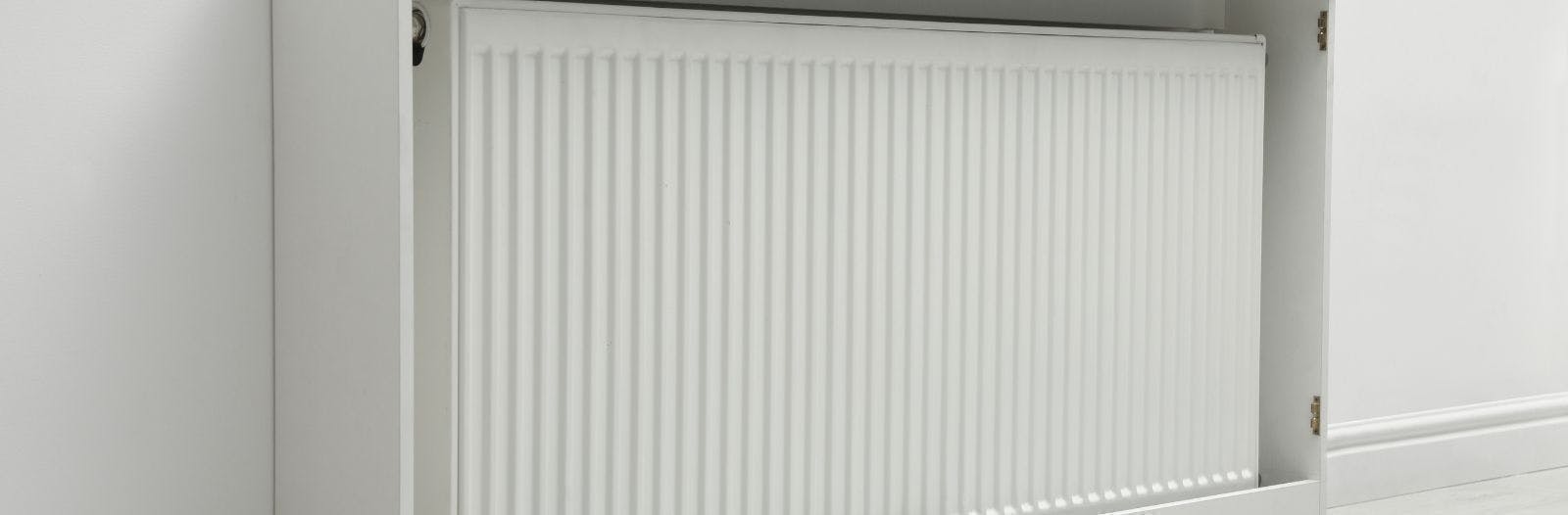
Cold spots at the top of your radiators or constant gurgling noises usually mean you have trapped air in the system. This trapped air stops hot water from circulating properly, making your radiators less efficient and your home colder than it should be. Bleeding your radiators is a straightforward task that most homeowners in Sheffield, Rotherham, and Barnsley can manage safely. With a bit of preparation, the right tools, and following the correct steps, you can quickly restore heat and reduce annoying noises, saving on energy bills and staying cosy all winter.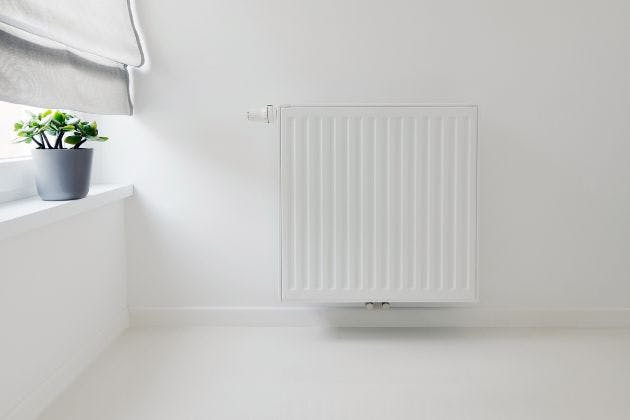
Typical signs your radiators need bleeding
Air in the system stops hot water from flowing properly, so some parts of the radiator never get fully hot. In older terraced homes around Sheffield, Rotherham and Barnsley, this can be especially common after system changes or summer downtime.
Look out for these symptoms before you reach for the radiator key:
Radiator warm at the bottom but cold or cool at the top
Gurgling, hissing or trickling noises when the heating comes on
Some radiators are slower to heat than others on the same system
Rooms are taking longer to warm up, even though the boiler seems to run normally
If you have these issues across several radiators, a careful bleed can often bring your system back to normal efficiency.
Tools and safety checks before you start
Bleeding a radiator is straightforward, but you are dealing with hot water under pressure. Take your time and never rush, especially if radiators are very hot to the touch.
You will need a few simple items:
Tools and materials
Most radiators use a small square bleed valve that needs a radiator key. Some modern models have a slot for a flathead screwdriver. You should also have an old cloth or towel and a small container or jug ready to catch any water.
Safety notes
Hot water can scald, so always let radiators cool before you start. Do not grab bare metal pipework when the heating has been on. Never try to open any sealed boiler components, expansion vessels or caps beyond the normal filling loop that is designed for topping up pressure.
If at any point you smell gas or suspect a gas leak, stop immediately, leave the property, and call the gas emergency number on 0800 111 999 from a safe place.
Step 1: Turn the heating off and let the radiators cool
Before bleeding, switch your heating off at the programmer or boiler controls. Wait at least 30 minutes so the water in the system can cool down. The cooler the water, the lower the scald risk.
Cooling also lets air bubbles rise to the top of the radiators, which makes the bleeding process more effective. While you wait, check which radiators have cold spots and make a mental note of their locations.
Step 2: Bleed your radiators to
As a general rule, start with the radiator furthest from the boiler and work your way back towards it. In a house with two floors, many engineers begin upstairs, then move downstairs, but focus on the radiators showing clear cold tops first.
Position the key and container
At the top corner of the radiator, locate the small bleed valve. Place your cloth underneath and hold the container just below the valve to catch any drips. Insert the radiator key or flathead screwdriver into the valve.
Open the bleed valve gently
Turn the valve anti-clockwise very slightly, usually a quarter turn is enough. You should hear a gentle hissing as air escapes. Keep the key steady and do not unscrew the valve fully, or it may come out along with water.
Keep the container ready to catch any water that starts to appear. If no air comes out and water appears immediately, close the valve and move on to the next radiator.
Close the valve at the right moment
Once the hissing stops and a steady stream of water flows, close the valve by turning it clockwise until it is snug. Do not overtighten, as this can damage the valve seal. Wipe away any drips with the cloth.
Repeat the process on each radiator that has cold spots. When finished, double-check that every bleed valve is fully closed and dry.
Step 3: Check and re-pressurise your boiler
After bleeding, your boiler pressure will usually drop slightly because some water has left the system. This is normal, especially with combi and system boilers commonly found in modern homes and refitted terraces.
Reading the pressure gauge
Look at the pressure gauge on the front of the boiler. For most systems, the cold pressure should sit around 1.0 to 1.5 bar. If it has fallen below the green range, you will need to top it up using the filling loop.
Using the filling loop safely
The external filling loop is typically a small flexible hose under the boiler with two taps or levers. Open them slowly and watch the gauge rise. As soon as the pressure is back within the recommended range, close both taps firmly.
Never exceed the upper limit marked on the gauge, and never remove or tamper with any sealed boiler components. If you are unsure which parts you can touch, stop and call a Gas Safe engineer.
Once the pressure is correct, turn the heating back on and let the radiators heat fully. Check again for cold spots and listen for any continuing gurgling.
When to stop DIY and call a Gas Safe engineer
Bleeding radiators should solve most minor air problems. However, some issues point to a deeper fault that needs professional attention, particularly in older systems that have been extended or altered.
Air returns quickly even after several careful bleeds
System pressure keeps dropping and needs to be topped up often
You notice leaks, rust stains or damp patches around pipework or radiators
Gurgling and banging noises continue long after bleeding
These could indicate a faulty expansion vessel, a hidden leak, or corrosion inside the system. In these cases, it is safer and usually cheaper long-term to have a Gas Safe engineer inspect the system properly.
Quick radiator bleeding FAQ
Which radiator do I bleed first?
It is generally best to start with the radiator furthest from the boiler and work your way closer. In multi-storey homes, many people start upstairs then move downstairs, tackling the worst affected radiators first.
Why is the top of my radiator cold?
A cold top with a warm bottom almost always means trapped air is stopping hot water reaching the upper section. Bleeding releases the air and lets water fill the entire radiator again. If the whole radiator is cold, the problem may be with valves, the pump, or the boiler rather than trapped air.
How often should I bleed radiators?
Most homes only need radiators bleeding once a year, often when the heating is first switched back on after summer. If you need to bleed them every few weeks, there is likely an underlying fault that needs professional diagnosis.
Need expert help with your heating?
If your radiators still have cold spots, the boiler pressure keeps dropping, or you simply prefer a professional to handle it, D.E.S. Gas Safe Solutions can help. Our engineers work across Sheffield, Rotherham, Barnsley and the surrounding areas on all types of central heating systems.
For a thorough heating system check or help with persistent radiator problems, book online via our central heating services and plumbing services pages. We will make sure your system runs safely, quietly and efficiently for the colder months ahead.