Booking a boiler installation survey is the crucial first step towards upgrading to a new, efficient heating system that suits your home perfectly. Understanding what happens during the survey will ease any worries and ensure you’re fully prepared. This visit allows our expert to assess your current setup, gather important details about your home’s size, occupants, and hot water needs, and check key factors like pipework, ventilation, and controls. With this information, we can provide a precise, tailored quote that fits your requirements and budget. Being informed about the process helps you make confident decisions and ensures a smooth installation from start to finish.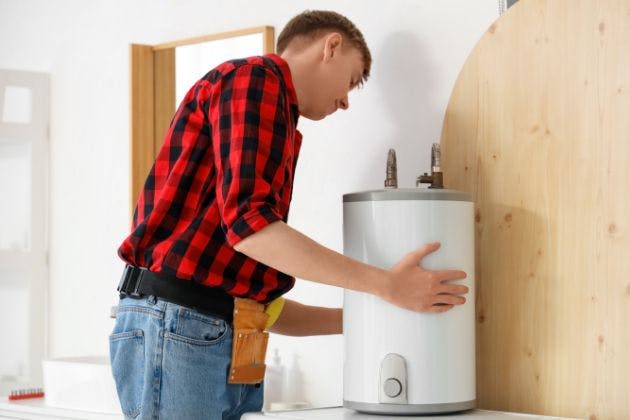
Role of a boiler installation survey
The survey is your engineer’s chance to get to know your home and how you use heating and hot water. It is also your chance to ask questions, raise any concerns, and talk through ideas such as moving the boiler or upgrading controls.
Rather than a sales pitch, a good survey is a fact-finding visit. The information gathered will shape the size, type and location of your new boiler, as well as the overall cost and how long the job will take.
Information your engineer will ask for
To recommend the right boiler, the engineer needs to understand your household and how your heating is used throughout the year. Expect a few simple questions at the start of the survey.
Typical topics include:
Home size and layout – number of bedrooms, bathrooms and radiators, plus whether you have extensions or loft conversions
Number of occupants – how many people live in the property and typical routines such as morning showers
Hot water demand – whether you use more than one bathroom at once, have large baths, or power showers
Current issues – rooms that never feel warm, noisy pipes, low hot water pressure or frequent boiler faults
Answering honestly helps avoid a boiler that is too small to cope or unnecessarily oversized, which can waste energy and money.
Key checks carried out during the survey
Once the engineer understands your needs, they will work through a series of checks around the property. These are both for safety and to make sure your new boiler performs properly.
Existing boiler, flue and gas supply
The engineer will inspect your current boiler and where it is installed, including the flue route to outside. They will check that there is a suitable external wall or roof position for the new flue and that clearances around windows and neighbours are acceptable.
Gas pipe sizing is another key part. The engineer will trace the gas run where possible and consider whether the pipework is large enough for a modern boiler. If an upgrade is needed, they will factor this into your quote.
Condensate, ventilation and safe installation
Modern condensing boilers produce condensate that must be piped safely to a drain. The engineer will look for a suitable route, ideally internal, to prevent freezing in winter. If an external run is needed, they will discuss how it can be made as reliable as possible.
They will also check ventilation and clearances around the proposed boiler position, particularly in cupboards, lofts or utility rooms. The aim is to ensure the appliance can be installed to manufacturer and Gas Safe standards.
Controls, radiators and system condition
Your current heating controls will be assessed, including any room thermostats, programmers and smart controls. The engineer may suggest upgrades such as smart thermostats or individual radiator controls to improve comfort and efficiency.
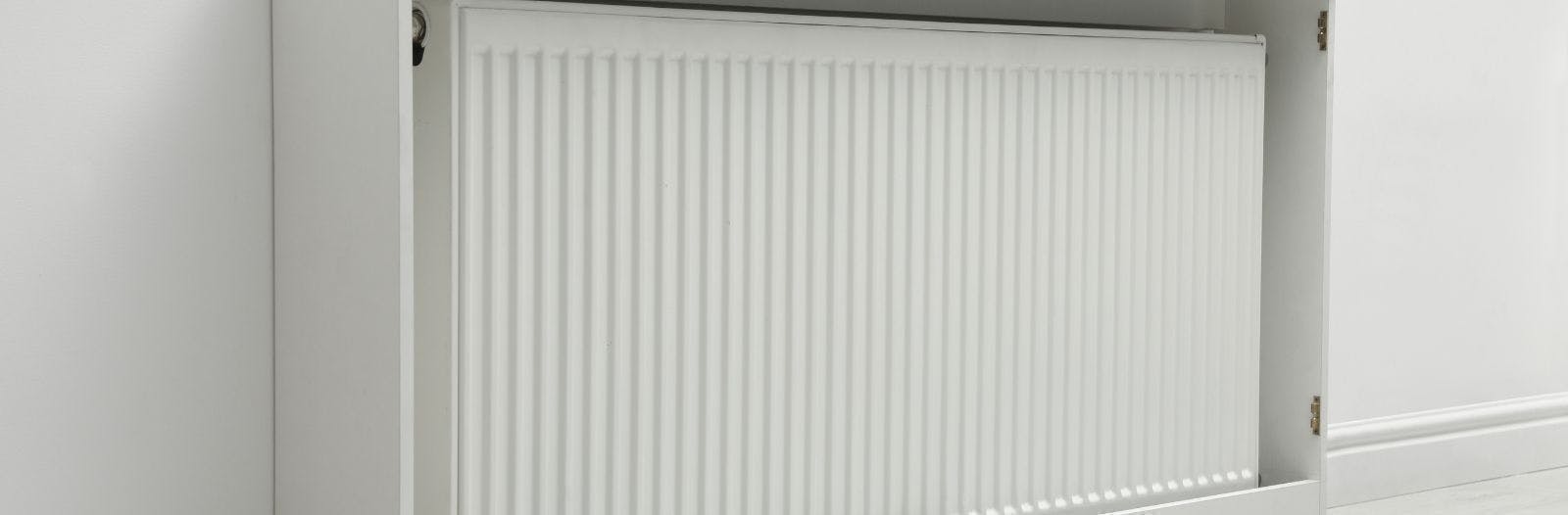
Radiators and visible pipework will be checked for obvious signs of corrosion, leaks or poor performance. In some cases, they may recommend system flushing or cleaning to remove sludge before fitting a new boiler.
What you should prepare before the visit
A little preparation makes the survey smoother and helps the engineer give you clear answers on the day. It also avoids the need for repeat visits or guesswork when preparing your quote.
Before your appointment, try to:
Clear access to your existing boiler, airing cupboard and main gas meter
Provide loft or cupboard access if tanks, pipes or the boiler are located there, including a safe ladder if needed
Note any issues such as cold rooms, noisy radiators or hot water problems you want to mention
Prepare questions about boiler brands, guarantees, controls, or moving the boiler position
Having recent paperwork handy, such as service records or details of any previous work on the system, can also be helpful but is not essential.
Outcomes of a boiler survey
By the end of the visit, you should have a clear idea of the options that suit your home and budget. A written quote may follow shortly after, once everything has been costed accurately.
Boiler type, controls and system improvements
The engineer will recommend a suitable type and size of boiler, such as a combi, system or regular boiler, based on your hot water demand and existing pipework. They may explain the pros and cons of each option so you can make an informed choice.
You should also be offered controls options, from simple programmable thermostats to smart systems you can operate from your phone. In many cases, they will propose system improvements, for example fitting a magnetic filter, carrying out a chemical or power flush, or balancing radiators so each room heats evenly.
Paperwork and what you can expect to receive
After the survey you should receive a clear, itemised quote that covers the boiler model, controls, any pipework alterations and system cleaning. It should also state what is included in terms of warranties, guarantees and aftercare.
Once the installation is complete, you can expect documentation such as the benchmark commissioning log, building regulations notification and manufacturer warranty registration, usually handled by the installer on your behalf.
Safety first: Gas Safe and proper commissioning
Any boiler survey and installation must be carried out by a Gas Safe registered engineer. During the survey, you are entitled to ask to see their Gas Safe ID card and check that they are qualified for the type of work being proposed.
Commissioning is the final set of safety and performance checks done after fitting the boiler. It includes setting the correct gas rate, checking flue gases, testing safety devices and completing the benchmark log. Proper commissioning protects your warranty and ensures the boiler is safe and efficient from day one.
Common questions about boiler surveys
Do I need to be at home for the survey?
Yes, someone needs to be present to provide access, answer questions about how the system is used and approve any decisions about boiler location or controls. It is helpful if the main bill payer or decision maker is available.
How long does a boiler installation survey take?
Most domestic surveys take between 30 and 90 minutes, depending on the size and complexity of the property. Larger homes or those with unusual layouts or multiple heating zones may take a little longer.
Can the boiler be relocated during installation?
In many cases, yes, it is possible to move the boiler to a different room or wall. Your engineer will use the survey to check practical aspects such as flue route, condensate drainage and gas pipework, then explain the extra work and cost involved.
Will you remove and dispose of the old boiler?
Reputable installers will usually remove the old boiler and associated scrap as part of the job. Your quote should clearly state if disposal is included, so there are no surprises on the day of installation.
Next steps: booking your boiler survey
Understanding what happens during a boiler installation survey helps you feel more confident and prepared. You will know which questions to ask, what the engineer is looking for, and how their findings shape your quote and final installation.
If you are ready to arrange a survey or want to talk through options, you can request a quote, discuss boiler installation choices, or explore wider central heating systems upgrades. To speak directly with a qualified team, contact D.E.S. Gas Safe Solutions on 01 and book your boiler survey at a time that suits you.